Materuni Coffee & Chagga Culture: What the Experience Is Really Like
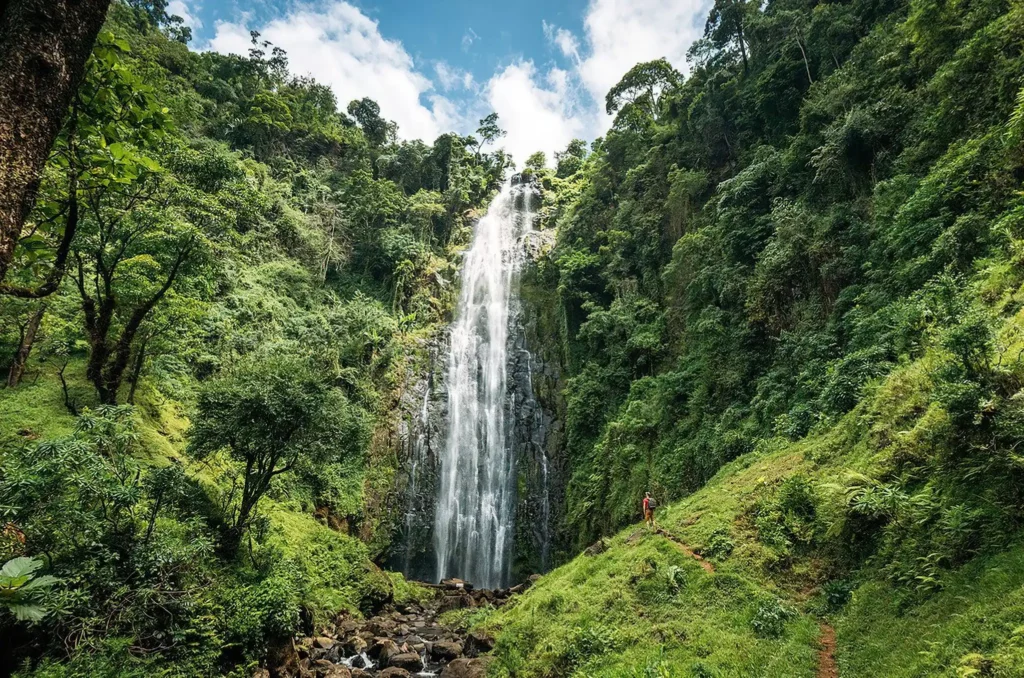
Materuni is known for its waterfall, but the waterfall is only one part of the experience.
Around the village, coffee growing, farming, food and everyday community life are closely connected to the landscape. A visit can give you the opportunity to learn about these things directly from local guides and families rather than simply passing through the village on your way to a waterfall.
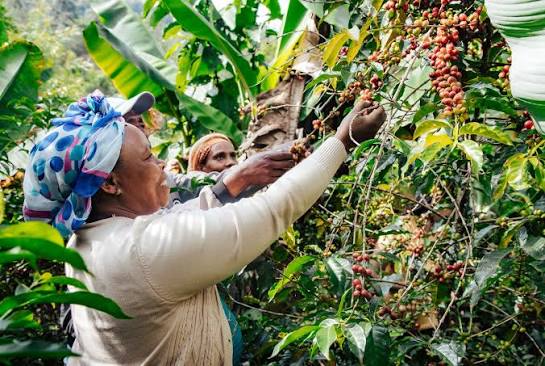
The coffee experience is usually the most hands-on part. Depending on the experience you book, you may learn how coffee is grown and harvested, roast and grind the beans yourself, and finish by drinking the coffee you helped prepare. Some experiences also include a traditional meal, local drinks, songs or dancing.
But there is something we want to make clear before you visit:
A cultural experience should be about learning from the people who live there, not simply watching a performance designed for tourists.
That is how we think Materuni should be experienced.
Materuni Coffee & Chagga Culture at a Glance
Coffee
- Learn about local coffee growing and processing
Hands-on activity
- Roasting, grinding and preparing coffee may be part of the experience
Coffee tasting
- Drink freshly prepared coffee after the process
Farming
- See coffee, bananas and other crops within the village landscape
Food
- Some experiences include a locally prepared meal
Culture
- Learn about Chagga traditions and everyday life through your guide
Music & dance
- Included in some cultural experiences
Village interaction
- Opportunities to learn from local hosts and community members
Setting
- Materuni village and the cultivated landscape around Kilimanjaro
What Is the Materuni Coffee Experience Actually Like?
This is not simply a coffee tasting.
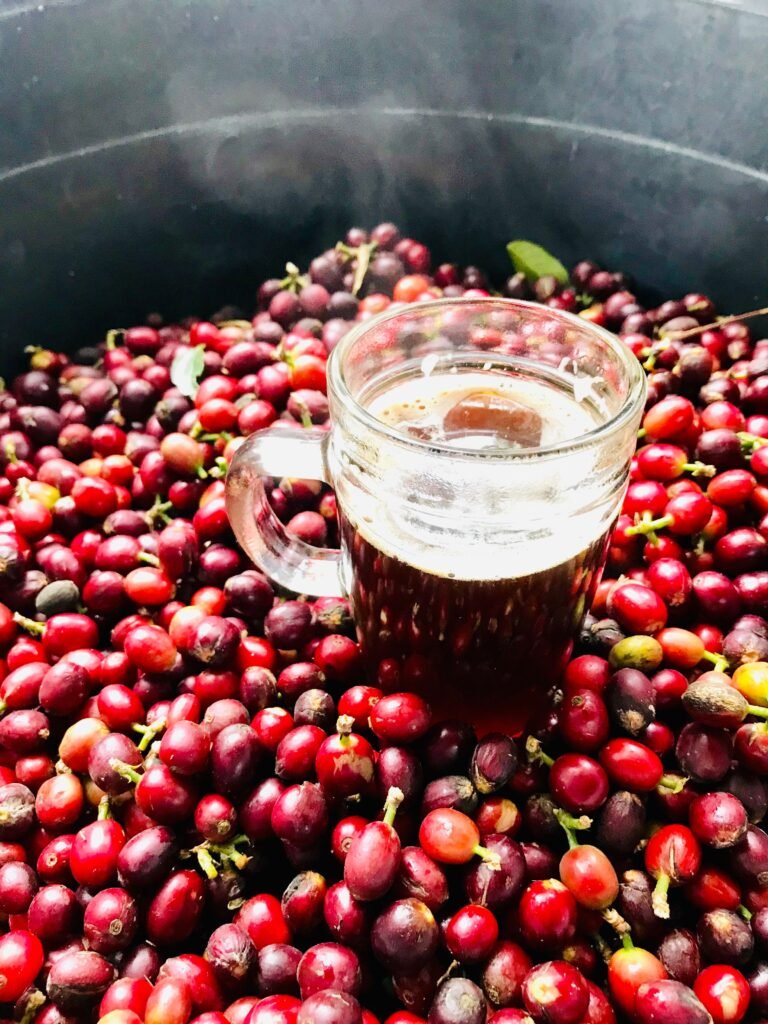
The interesting part is seeing how much happens before the coffee reaches your cup.
A typical hands-on experience can introduce you to several stages of the process, including:
growing → harvesting → processing → roasting → grinding → brewing → tasting
In some Materuni experiences, visitors are invited to participate in the roasting and grinding themselves before drinking the coffee they have helped prepare.
That changes the experience completely.
Instead of someone handing you a cup of coffee and telling you that it is locally produced, you get to understand some of the work behind that cup.
And that is what we think makes the experience worth doing.
Coffee Starts in the Farm, Not the Cup
One of the easiest mistakes a visitor can make is thinking that a coffee tour is mainly about roasting.
It isn’t.
Coffee begins much earlier.
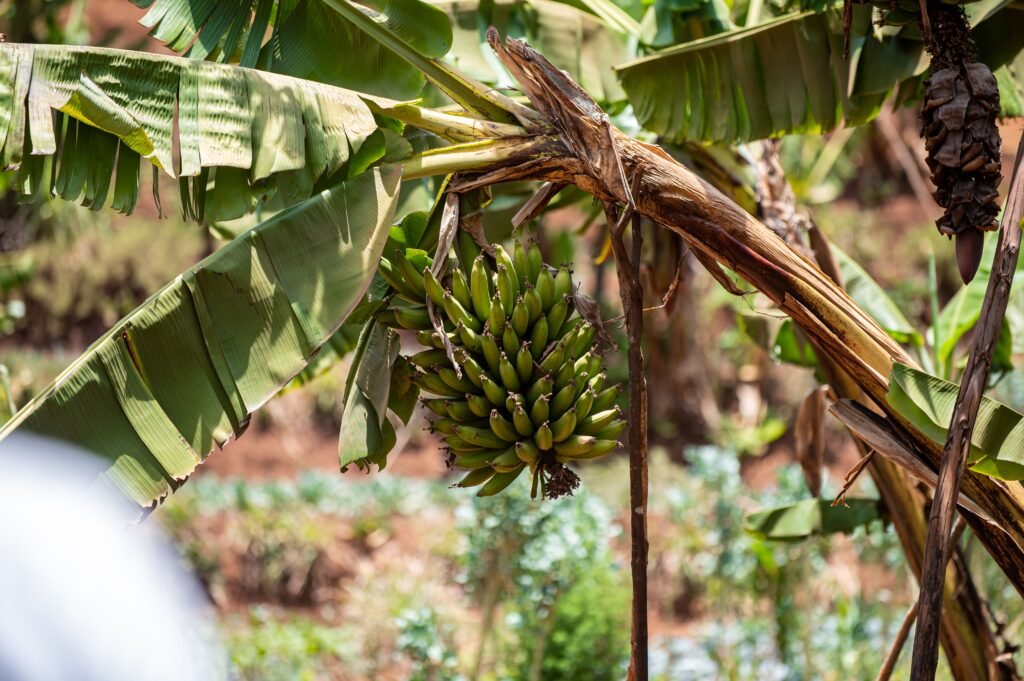
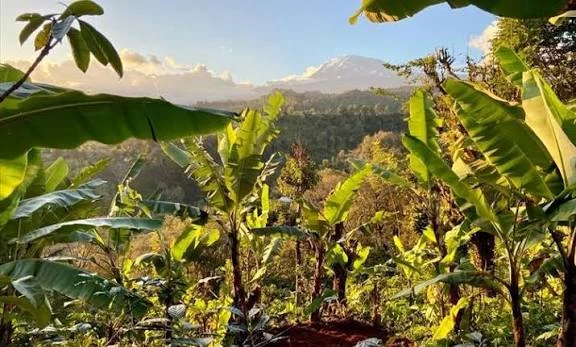
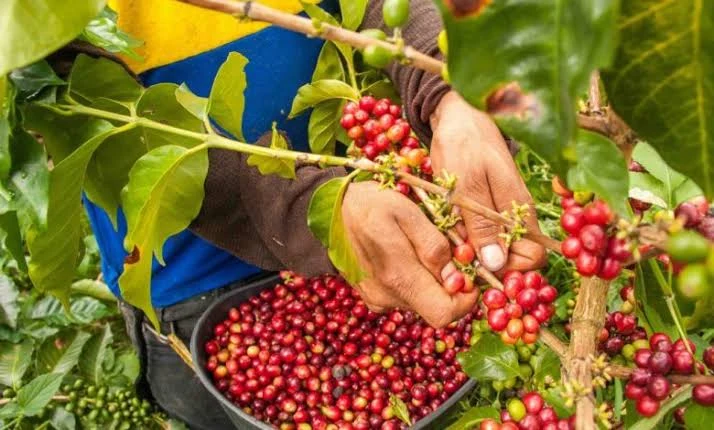
Around Materuni, coffee is grown within a farming landscape that also includes crops such as bananas and other food crops. Some local coffee experiences take visitors through family farmland and explain how coffee fits into the wider agricultural system.
This gives you a different perspective.
You aren’t looking at coffee as an anonymous product on a supermarket shelf.
You’re seeing it as an agricultural crop that requires land, labor, time and knowledge.
Your guide can explain the local process and answer questions about how coffee is cultivated and prepared.
Ask questions.
Where does the coffee grow?
When is it harvested?
What happens after harvesting?
Why is it processed in a particular way?
How is coffee connected to the household or farm?
Those conversations are often more valuable than simply taking photographs.
From Coffee Bean to Your Cup
One of the most enjoyable parts of the Materuni experience is that you can become part of the process.
The exact method varies between hosts, but hands-on experiences commonly introduce visitors to traditional stages such as roasting, grinding and brewing.
Learning About the Coffee
- Your guide introduces you to the coffee and explains where it comes from and how it is grown.
Roasting
- The beans are roasted, traditionally over heat. This is where the smell of coffee starts becoming much more recognizable. You may be invited to participate rather than simply watch.
Grinding
- Traditionally prepared coffee can involve grinding or pounding the roasted beans by hand. This is one of the parts visitors often remember because you are physically involved in producing the coffee rather than watching someone else do everything.
Brewing
- The ground coffee is prepared for drinking. At this point, you finally get to taste the result of the work you have just taken part in.
Drinking the Coffee
- And this is where the whole process comes together. You are no longer simply drinking “Tanzanian coffee.” You understand a little more about where it came from and how it was prepared
Why Is the Hands-On Part Important?
Because there is a big difference between being told about a culture and participating respectfully in an activity with local hosts.
A guide can talk for ten minutes about traditional coffee preparation.
Or you can actually roast, grind and prepare some yourself.
The second experience tends to stay with you.
Current Materuni coffee experiences specifically promote this hands-on approach, with visitors participating in coffee preparation and finishing with a cup they have helped make.
For us, that is the better kind of tourism:
learn → participate → ask questions → understand → appreciate
What Does Coffee Have to Do With Chagga Culture?
Coffee is not the entire story of Chagga culture.
This is important.
Materuni is a living village, not a museum created around coffee.
The Chagga people have a long agricultural tradition in the Kilimanjaro area, and farming remains an important part of the landscape around Materuni.
During a village or coffee experience, your guide may explain how coffee fits alongside other crops, food, family life and local traditions.
Some local experiences also introduce visitors to traditional food, banana-based drinks, music and dance.
The best way to understand this is not to think: “I’m going to see the Chagga.”
Think: “I’m going to spend part of a day in a Chagga community and learn from people who live there.”
That is a much healthier way to approach cultural tourism.
What Might You Eat in Materuni?
Food is another way the experience connects you to the place.
Depending on the experience you choose, you may be served a locally prepared meal using ingredients associated with the area.
Some Materuni experiences mention traditional dishes based around bananas and other locally available foods, while others simply describe a home-cooked local lunch.
Don’t expect every operator or family to serve exactly the same meal.
That is actually a good thing.
Local food is not a standardized hotel menu.
If you have dietary restrictions or need a vegetarian meal, tell your tour operator before the visit, rather than assuming the same meal will be available automatically.
What About Banana Beer?
You may hear about banana beer, sometimes called mbege, when researching Chagga cultural experiences.
Some Materuni experiences include an opportunity to learn about or taste this traditional banana-based drink.
But we would not make it the reason you visit Materuni.
If you drink alcohol, you can treat it as an optional cultural tasting.
If you don’t drink, you haven’t missed the main experience.
The coffee, food, farming landscape and conversations with local hosts are much more important to understanding Materuni.
What About Chagga Songs and Dancing?
Some Materuni cultural and coffee experiences incorporate traditional songs and dancing, particularly during the coffee preparation or as part of a cultural presentation.
This can be a fun part of the experience.
But there is a difference between participating in a welcoming cultural activity and expecting local people to perform simply because tourists have arrived.
Our advice is simple:
Follow the invitation of your hosts.
If you’re invited to join a dance, enjoy it.
If your guide is explaining something, listen.
If you want to take photographs of people, ask first.
That small amount of respect can make a big difference.
Can You Visit a Chagga Family Home?
Some Materuni experiences are hosted around family homes or local farms, while other experiences use dedicated village facilities or cultural spaces.
For example, local operators describe coffee experiences taking place around family-owned farms and homes, where visitors can learn about farming, food and coffee preparation.
But don’t assume that every tour gives you unrestricted access to people’s private lives.
A family welcoming visitors into part of their home or farm is offering you an experience.
It doesn’t mean everything around them is a tourist attraction.
Again, ask before entering private spaces or taking photographs.
What Does “Authentic” Actually Mean?
You will see the word authentic everywhere when researching Materuni.
We are careful with that word.
There is no perfect test for whether a cultural experience is “authentic.”
Tourism changes communities. Visitors bring money, expectations and attention. Local people and businesses naturally adapt experiences for visitors.
That doesn’t automatically make an experience fake.
A better question is:
Are you actually learning something about the place from people connected to it?
Are you able to ask questions?
Are local people involved?
Does the experience connect you with real farming, food, coffee or community life?
Does your visit contribute to local businesses?
Those are much more useful questions than simply asking whether something is “authentic.”
Materuni has locally based businesses and community-oriented tourism experiences that specifically combine waterfall visits, coffee, local food and Chagga cultural activities.
How Should You Behave During a Cultural Experience?
This is something we think every visitor should know before arriving.
You are a guest.
A few simple habits go a long way:
Ask before taking photographs of people
Especially children or inside someone’s home.
Listen before judging
Something may look unfamiliar without being wrong or strange.
Ask questions
Most local guides are there specifically to help you understand the place.
Don’t treat people like attractions
The people you meet are hosts, farmers, guides, parents, workers and community members—not scenery.
Respect private spaces
Not every house, farm or person is automatically part of the tour.
Follow local guidance
If your guide tells you that something should not be touched, photographed or entered, listen.
Don’t force an experience
If you don’t drink alcohol, you don’t need to drink banana beer.
If you don’t want to dance, you don’t have to.
Cultural exchange works best when both sides are comfortable.
See Our Materuni Experience Gallery
Is the Coffee Experience Worth Adding to the Waterfall Visit?
For many travelers, yes.
Especially if you have come all the way to Materuni and want more than a waterfall photograph.
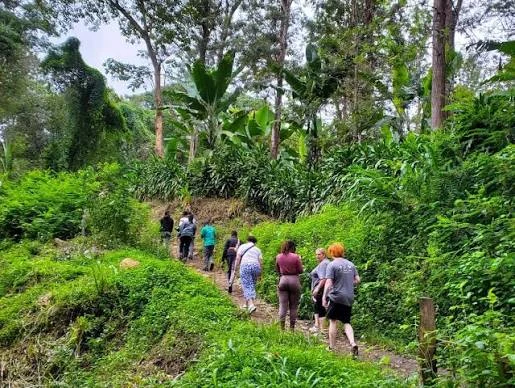
The waterfall gives you the nature side of the experience.
The walk gives you the landscape.
The coffee experience gives you an opportunity to understand one part of how people use and work with that landscape.
Food adds another layer.
And conversation with a local guide connects those pieces together.
Together, the experience becomes:
landscape + people + agriculture + food + coffee + waterfall
rather than simply:
drive → waterfall → photograph → leave.
How Long Should You Allow for the Experience?
There is no single duration because Materuni experiences are structured differently.
Some local coffee-and-waterfall experiences are offered as roughly 4–5 hour experiences, while fuller itineraries can include lunch, cultural activities and additional stops.
If you are coming from Arusha, remember that transportation adds significant time to the day.
So don’t plan Materuni as though the entire experience takes only the amount of time listed for the coffee activity itself.
Ask your operator:
- What time will we leave?
- How long is the drive?
- How long is the waterfall walk?
- How much time do we spend at the waterfall?
- Is lunch included?
- How long is the coffee experience?
- Are cultural activities included?
- What time should we expect to return?
Is Materuni Coffee the Same as a Coffee Farm Tour?
Not necessarily.
This distinction matters.
A coffee experience in Materuni may be a relatively short, hands-on introduction to local coffee production combined with a waterfall and cultural visit.
A dedicated coffee plantation or farm tour may go much deeper into cultivation, processing, production and the business side of coffee.
Don’t assume that a few hours in Materuni will teach you everything about Tanzanian coffee.
It won’t.
But it can give you something arguably more useful for a traveler:
a personal introduction to how coffee fits into one local community and its agricultural landscape
When Is the Best Time for the Coffee Experience?
Coffee and village experiences can generally be combined with a Materuni visit throughout the year, but the wider weather conditions still matter.
Rain can affect the waterfall hike, roads and outdoor activities.
If you are particularly interested in seeing coffee growing and harvesting, ask your local guide what the farms are like during your travel dates rather than assuming that every month looks the same.
For broader weather and timing advice, see our guide to the best time to visit Materuni Waterfalls.
What Should You Bring?
For a combined waterfall and coffee experience, we recommend:
- comfortable walking shoes
- water
- sun protection, a hat
- camera or phone
- rain protection when appropriate
- a small bag for personal belongings
- swimwear and towel if you want the option of swimming
- comfortable clothing suitable for walking
If you are visiting during wet weather, protect your phone and camera.
You will be moving between village, farmland, trail and waterfall rather than spending the entire day inside a building.
Who Will Enjoy the Materuni Coffee & Cultural Experience?
This experience is particularly good for travelers who:
- enjoy learning how things are made
- like meeting local people
- are interested in food and agriculture
- enjoy coffee
- want more cultural depth than a sightseeing stop
- enjoy walking through rural landscapes
- want to combine nature and culture in one day
- prefer experiences where they can participate rather than only observe
It is especially useful for travelers who have limited time in Tanzania but still want some connection with local life around Kilimanjaro.
Who Might Prefer Something Else?
You may want a different experience if your main interest is:
- a serious coffee-production tour
- a luxury food experience
- a museum-style cultural exhibition
- a completely private and controlled environment
- spending the entire day swimming
- avoiding outdoor walking
Materuni is strongest when you are willing to participate and explore.
How We Think You Should Experience Materuni
If we were advising a friend coming to Materuni for the first time, we’d say this:
Don’t arrive expecting a performance.
Arrive curious.
Ask the guide questions.
Look at the farms.
Notice the bananas and coffee.
Pay attention to how the landscape changes.
Try the coffee-making process.
Taste the food.
If you’re invited to participate in music or dancing and you feel comfortable, join in.
And when you meet local people, remember that you’re visiting their community.
The best cultural experiences don’t leave you thinking: “I saw something exotic.”
They leave you thinking: “I understand this place a little better than I did this morning.”
That is what we want Materuni to give you.
Materuni Is More Than a Waterfall
The waterfall may be the reason you first hear about Materuni.
But it doesn’t have to be the reason you leave remembering it.
You can walk through the landscape.
You can learn how local coffee is prepared.
You can taste food connected to the area.
You can listen to stories from your guide.
You can meet people whose everyday lives are connected to this land.
And you can begin to understand that Materuni isn’t simply a tourist attraction sitting somewhere below Kilimanjaro.
It is a living community.
That is why we think the coffee and Chagga cultural experience deserves its own place in your Materuni day.
Planning Your Materuni Experience
If you’re planning a visit, continue with our other Materuni guides:
How to Get to Materuni Waterfalls
Learn how to reach Materuni from Moshi or Arusha, including travel time, road conditions and the final walk to the waterfall.
What Is the Materuni Waterfall Hike Really Like?
Understand the terrain, walking time, difficulty, footwear and what to expect on the trail.
Best Time to Visit Materuni Waterfalls
Understand how weather and seasons can affect your visit.
What to Pack for Materuni Waterfalls
A practical checklist for the waterfall, hike and village experience.
Materuni Waterfalls Day Trip from Moshi & Arusha
If you would rather have the transport, guide and day’s logistics organized for you, see our Materuni day-trip option.
Want someone else to handle the journey?
Or, if you are still planning:
Frequently Asked Questions
It is a hands-on introduction to local coffee production in Materuni. Depending on the experience, you may learn about cultivation and harvesting, roast and grind coffee, and prepare and taste the finished drink.
Many local coffee experiences allow visitors to participate in roasting, grinding and preparing their own coffee. The exact activities depend on the host and itinerary.
The Chagga are one of the peoples of the Kilimanjaro area, and Materuni is a Chagga community. A cultural visit can introduce travelers to aspects of local agriculture, food, coffee, traditions and everyday community life.
Some Materuni experiences include songs and traditional dancing, particularly around the coffee-making or cultural portions of the visit. However, this should not be assumed to be part of every itinerary.
Some cultural experiences include a tasting of traditional banana beer. It is optional and should not be considered the main reason to visit.