Best Time to Visit Kikuletwa Hot Springs, Tanzania
Kikuletwa Hot Springs, also known as Chemka Hot Springs, can be visited throughout the year. Unlike a waterfall or wildlife destination whose main attraction can change significantly with the seasons, Kikuletwa’s spring-fed swimming experience remains relatively consistent throughout the year.
So there is no single month that everyone needs to wait for.
The better question is: what kind of Kikuletwa experience do you want?
If you want a quieter visit, the day of the week may matter more than the month. If you want the easiest road conditions, the drier months are generally more comfortable. And if you are already in Moshi or Arusha during the rainy season, you do not necessarily need to cancel your Kikuletwa plans simply because rain is in the forecast.
This guide explains what changes throughout the year so you can choose your timing based on what actually matters to you.
When Is the Best Time to Visit Kikuletwa?
For most travelers, Kikuletwa Hot Spring is a year-round destination.
The spring-fed pool does not depend on seasonal waterfall flow, so swimming remains possible throughout the year. Rain mainly affects the road, surrounding ground and overall comfort rather than changing the spring itself.
If your priority is:
Quieter surroundings:
- choose a weekday and, where possible, avoid busy weekends and public holidays.
Drier roads
- June to October is generally a more comfortable period for road travel.
Green scenery
- the rainy periods bring greener surroundings.
A reliable swimming experience
- Kikuletwa works in any month because the pool is spring-fed.
Avoiding the heaviest rain
- March to May generally has the greatest rainfall risk in northern Tanzania.
A relaxed visit after or before Kilimanjaro
- Kikuletwa can work in any season because it does not require a long hike.
The important point is that “dry season” does not automatically mean “best season” for Kikuletwa. Your priorities matter more.
Kikuletwa Throughout the Year
Northern Tanzania generally experiences two main rainy periods: the long rains from March to May and the short rains around November and December, with relatively drier periods during June to October and January to February. The exact timing and intensity vary from year to year.
For Kikuletwa, these seasons affect the journey more than they affect the spring itself.
January to February — Warm, Green and Generally Good for Kikuletwa
January and February are generally part of a relatively drier period in northern Tanzania, although short rain showers can still occur.
For Kikuletwa, these months can be a good choice if you want to combine the spring with other northern Tanzania activities.
The water itself is not waiting for a particular season. It remains suitable for swimming because the spring is fed from underground rather than depending on rainfall in the same way a waterfall does.
Good for
- Swimming
- Relaxing
- Combining Kikuletwa with other northern Tanzania activities
- Travelers who want a green landscape without planning around the main rainy season
March to May — Long Rains
March to May is the main long-rain period in northern Tanzania, with April generally being the wettest month.
This does not automatically make Kikuletwa a bad idea.
In fact, because Kikuletwa is spring-fed, rain does not determine whether there will be water in the swimming pool. What changes is the journey and the area around the spring.
Roads can become muddier, the final approach may be less comfortable, and rain can make getting in and out of the water less pleasant.
So if you are visiting during the long rains, keep your plans flexible.
A rainy morning does not necessarily mean the whole day is ruined. But if heavy rain has affected the roads, your driver or guide should assess the conditions rather than treating an online weather forecast as a guarantee.
Good for
- Travelers who don't mind changing weather
- Green scenery
- Travelers already visiting Tanzania during the rainy season
- People who want a spring-fed swimming experience rather than a waterfall whose flow depends heavily on rainfall
Keep in mind
- Roads can become muddy
- The ground around the spring can become wet
- Rain can make the journey less comfortable
- A heavy down pour can change the day's timing
June to October — Dry Season
June to October is generally the main dry season in northern Tanzania.
These months are often comfortable for travel because rainfall is less of a concern, and rural roads are generally less affected by wet conditions.
For Kikuletwa, however, the advantage is mainly the journey and general outdoor comfort, not a dramatic improvement in the spring itself.
The water is still there outside the dry season.
If you are planning several Tanzania activities and want to reduce the chance that rain interferes with road travel, this is a sensible period to consider.
Good for
- Easier road travel
- Outdoor activities
- Travelers combining Kikuletwa with a wider Tanzania itinerary
- People who prefer a lower chance of rain
Keep in mind
- This is a popular travel period in Tanzania
- A dry-season visit does not guarantee that the spring will be quiet
- If avoiding crowds matters to you, choosing a weekday can be more useful than simply choosing a particular month
November to December — Short Rains
The short rains generally occur around November and December.
These rains are often less persistent than the long-rain period, although conditions vary from year to year.
For Kikuletwa, the same basic principle applies: the spring itself is relatively season-independent, while rainfall mainly affects the journey and the conditions around the site.
Good for
- Travelers who don't mind occasional rain
- Green scenery
- Flexible itineraries
- A Kikuletwa visit combined with other northern Tanzania experiences
Keep in mind
- Rain can arrive unexpectedly
- Rural roads may become muddy
- Rain can make the journey less comfortable
- Carry something to protect your phone and other valuables from water
Is Kikuletwa Better in the Dry or Rainy Season?
For Kikuletwa alone, the difference is smaller than many travelers expect.
A waterfall can change dramatically after rainfall. A safari can change as animals move between water sources and vegetation changes. A mountain hike can become much more difficult when trails are wet.
Kikuletwa is different.
The spring remains the spring.
The biggest seasonal difference is what happens around it: the road, mud, rain, vegetation and how comfortable the journey feels.
That means you do not need to postpone a Kikuletwa visit simply because you are traveling during a rainy period.
If the weather is manageable and the roads are accessible, you can still have a good swimming day.
What Day of the Week Is Best for Kikuletwa?
If you want a quieter experience, we would pay attention to the day of the week before worrying too much about the month.
Weekends and public holidays can attract more visitors, while weekdays generally give you a better chance of enjoying a calmer atmosphere. Current operator observations also report busier weekends and quieter weekdays.
That does not mean a weekend visit is bad.
If Saturday is the only day you have available, you can still enjoy Kikuletwa.
But if you have complete flexibility and your priority is peace and space around the water, a weekday is the sensible choice.
Our simple advice
Have a flexible schedule? Choose a weekday.
Only free on a weekend? Go anyway—just expect a livelier atmosphere.
What Time of Day Is Best?
For most travelers, an earlier start is a sensible choice.
Going earlier can help you avoid the hottest part of the day, give you more time at the spring and potentially allow you to enjoy the site before it becomes busier.
It also gives you more flexibility if the road takes longer than expected.
You do not need to arrive at sunrise to enjoy Kikuletwa.
The practical lesson is simply:
Don’t leave so late that your entire day becomes a race against traffic and your return journey.
If you are traveling from Arusha, this matters even more because the journey is longer than it is from Moshi.
Is Kikuletwa Good During the Rainy Season?
Yes, it can be.
The spring is fed by underground water, so its swimming appeal does not disappear when the rain stops or starts. Current field-based information describes Kikuletwa as one of the northern Tanzania day trips least affected by seasonality.
But there is an important distinction:
Rain-tolerant does not mean rain-proof.
Heavy rain can make rural roads rougher or muddy and can make the area around the spring less comfortable.
If the forecast shows a normal passing shower, that does not necessarily justify cancelling.
If there has been heavy rainfall and road conditions are questionable, listen to the people actually making the journey that day.
What Is the Water Like During Different Seasons?
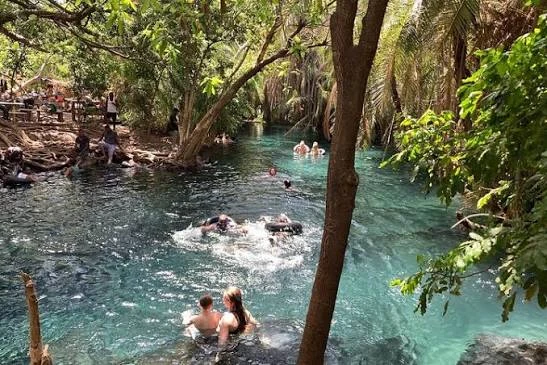
The water at Kikuletwa comes from a spring rather than being dependent on seasonal rainfall like a waterfall pool.
Current on-site observations put the water at around 27°C, describing it as warm and comfortable for swimming rather than genuinely hot.
The exact experience can still feel different depending on the weather.
On a warm sunny afternoon, getting into the water may feel different from getting out of the water during a cloudy or rainy period.
So don’t choose your month based on the idea that the spring becomes dramatically hotter or colder with the seasons.
The main attraction remains relatively consistent.
When Is Kikuletwa Most Crowded?
Crowd levels are not determined only by the weather.
Weekends, public holidays and periods when many travelers are moving through northern Tanzania can be busier.
If having a peaceful experience is important to you, choose:
weekday + earlier arrival
rather than obsessing over finding a particular “secret” month.
There is no month where we can honestly promise that you will have the spring to yourself.
Best Time for Couples
If you’re visiting as a couple and want a relaxed atmosphere, a weekday visit is a sensible choice.
An earlier arrival can also give you more time to enjoy the spring before the site becomes busier.
The goal isn’t to find a magical hour when nobody else exists.
It’s simply to give yourself a better chance of having a calm day.
Best Time for Families
Families can visit Kikuletwa throughout the year, but the important consideration is not really the season.
It is the water and supervision.
Some parts of the spring are deep, and weaker swimmers should remain in areas appropriate for their ability with close adult supervision.
If you’re traveling with children and have flexibility, a quieter weekday can make the visit easier to manage.
Rainy conditions may also make the road and ground more difficult, so families should consider the weather and road conditions on the day rather than relying only on the month.
See Our Kikuletwa Gallery
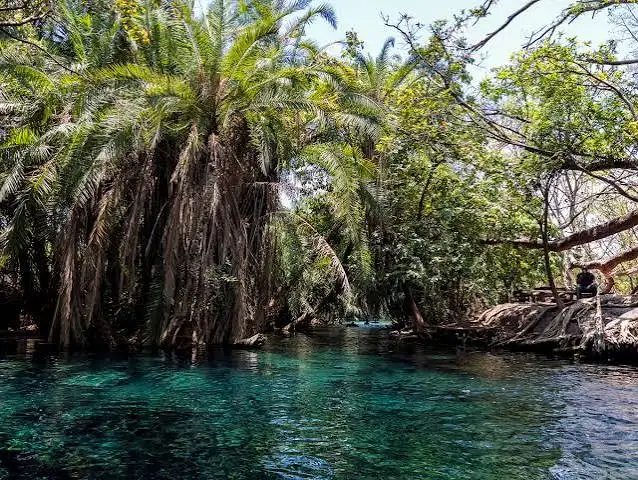
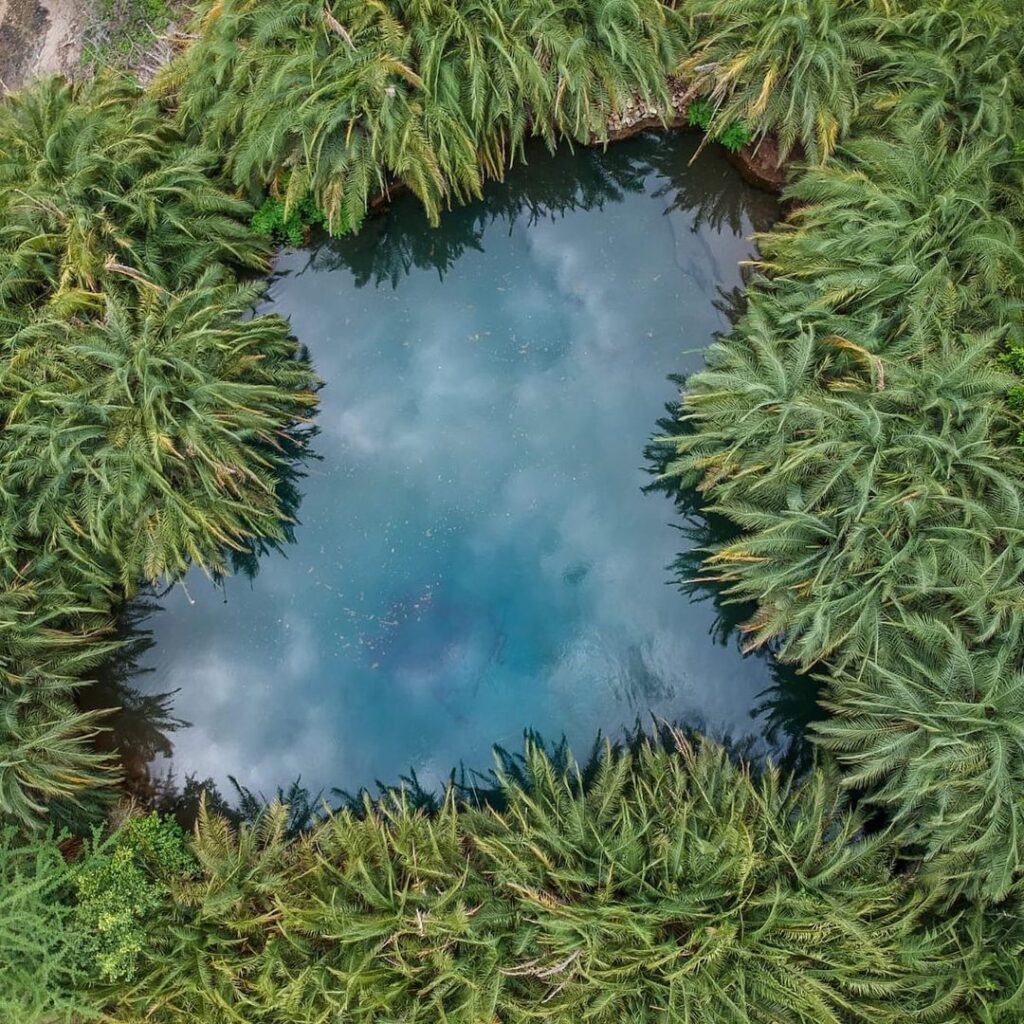
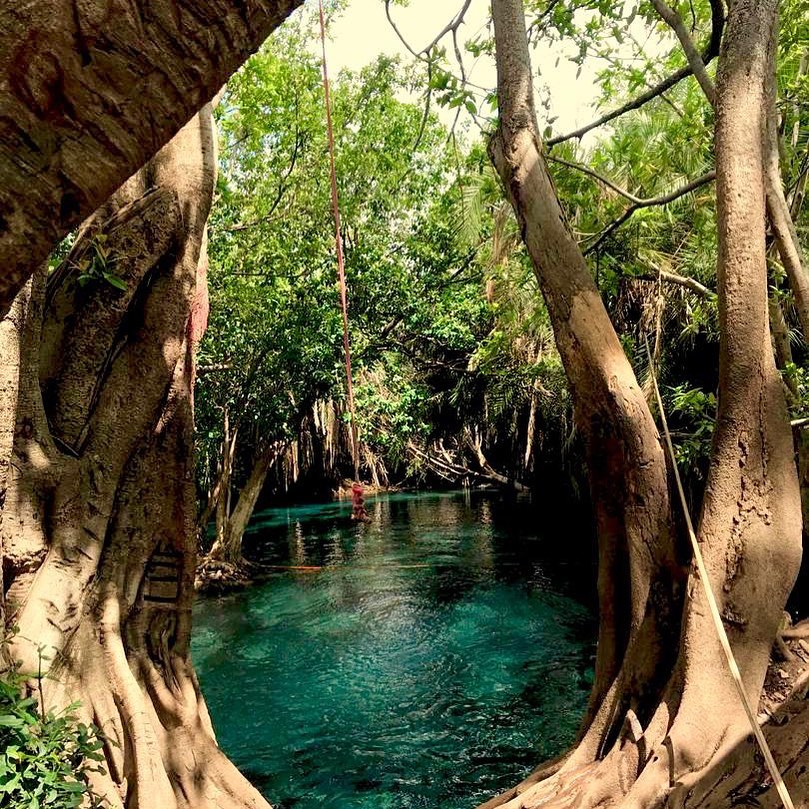
Best Time Before or After a Kilimanjaro Climb
Kikuletwa can be a useful low-effort day before or after a Kilimanjaro climb.
Before a climb, it gives travelers an easy outdoor experience without another demanding hike.
After a climb, the lack of a long trail can make it an appealing change of pace.
But don’t confuse “easy” with “something you must do.”
If you’ve just finished Kilimanjaro and your body needs rest, resting at your hotel may be the smarter decision.
Kikuletwa is an option—not a requirement.
Our Practical Advice
If you’re asking us for the simplest decision rather than a complicated seasonal chart, we’d put it this way:
Don’t wait for a “perfect” month to visit Kikuletwa.
If you’re already in Moshi or Arusha and the weather and road conditions are reasonable, the spring can make sense at almost any time of year.
If you can choose your day, choose a weekday.
If you can choose your arrival time, start earlier.
If you’re traveling during the rains, prepare for mud and keep your plans flexible.
And if swimming is the main reason you’re going, remember that Kikuletwa’s spring-fed water is much less dependent on the season than a waterfall or other water-based attraction.
The best trip is not necessarily the one with the “perfect” weather forecast.
It is the one where the conditions match what you actually want from the day.
Want someone else to handle the journey?
Or, if you are still planning:
Frequently Asked Questions
Yes. Kikuletwa Hot Springs and Chemka Hot Springs are commonly used names for the same destination. Maji Moto and Rundugai Hot Springs are also names associated with the site or area.
Not in the way many people imagine. The water is generally warm and comfortable for swimming rather than a steaming geothermal bath. Current on-site observations report around 27°C, while other visitor reports have recorded slightly different temperatures.
Yes. Swimming is the main activity at the spring.
You can visit without swimming, but the spring has deep sections and water movement. Non-swimmers should not enter areas beyond their ability and should use appropriate flotation support if available.
Children can visit, but adults should supervise them closely around the water, particularly because some areas are deep.