What Is Kikuletwa Hot Springs Like? Swimming, Water & Experience Guide
Kikuletwa Hot Springs is a natural spring and swimming spot in northern Tanzania, known for its clear, warm water, large trees, and relaxed atmosphere. It is also commonly called Chemka Hot Springs, Maji Moto or Rundugai Hot Springs.
Kikuletwa Hot Springs is best understood as a natural swimming and relaxation spot, rather than a traditional hot spring spa.
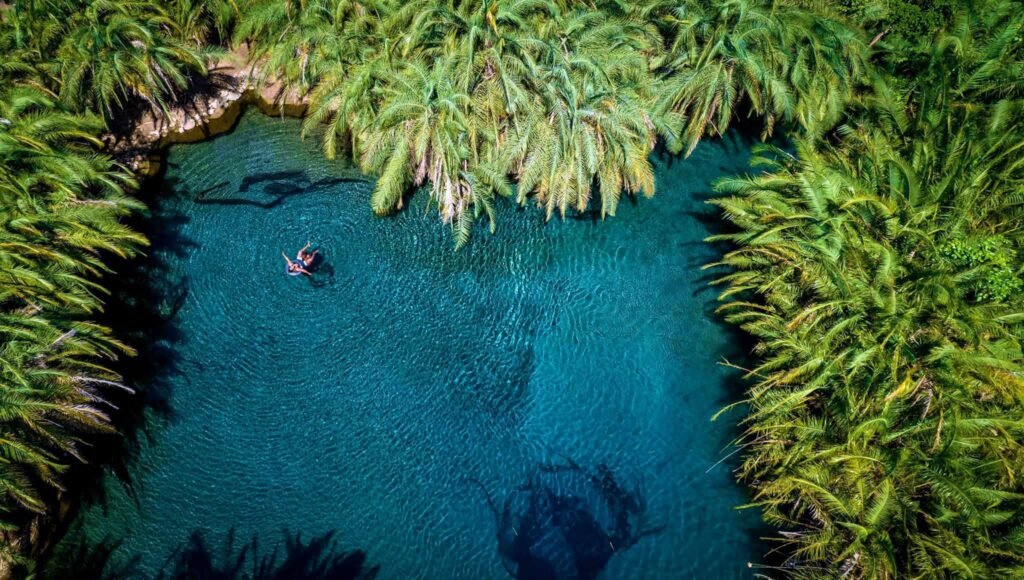
The water is remarkably clear, naturally warm and surrounded by trees and roots that give the pool a very different atmosphere from an ordinary swimming pool. You can spend your time swimming, floating, relaxing in the water, taking photographs or trying the rope swing.
Despite the name “Hot Springs,” the water is not boiling or steaming hot. Current visitor information places it at around 27°C, although reported temperatures vary slightly between sources. In practical terms, expect comfortable warm water rather than a geothermal bath.
The other thing worth understanding before you visit is that Kikuletwa is a natural swimming environment. Some sections are deep, the surroundings are relatively simple, and the experience can become lively when the site is busy.
That is part of its character.
You are coming here to get into the water, slow down and enjoy the setting—not to visit a polished resort.
What Is Kikuletwa Hot Springs Actually Like?
Your first impression is usually the water.
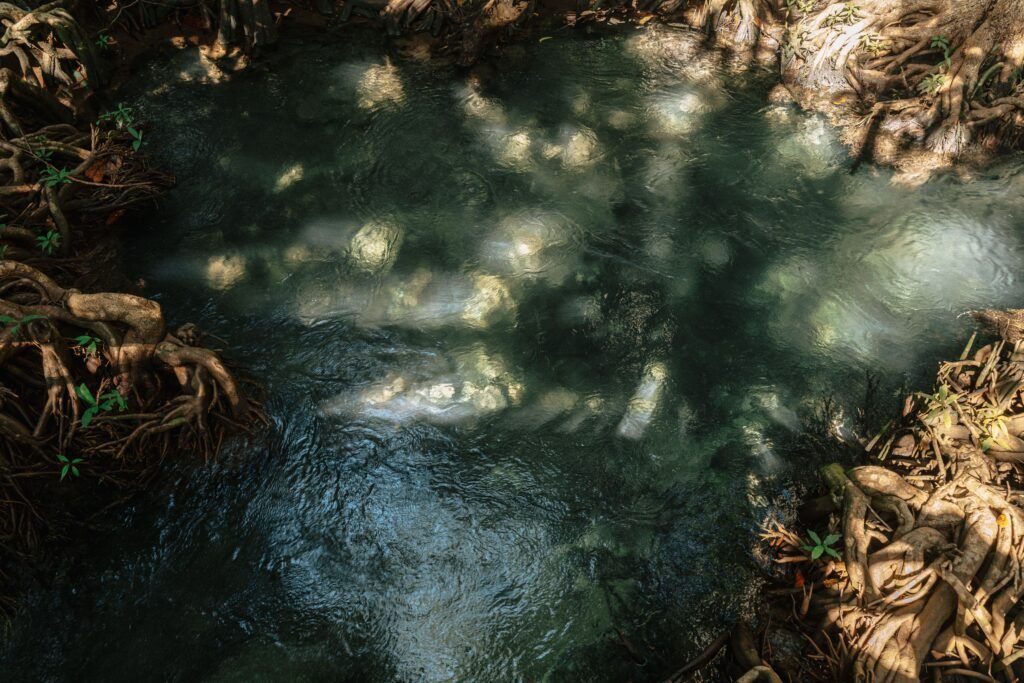
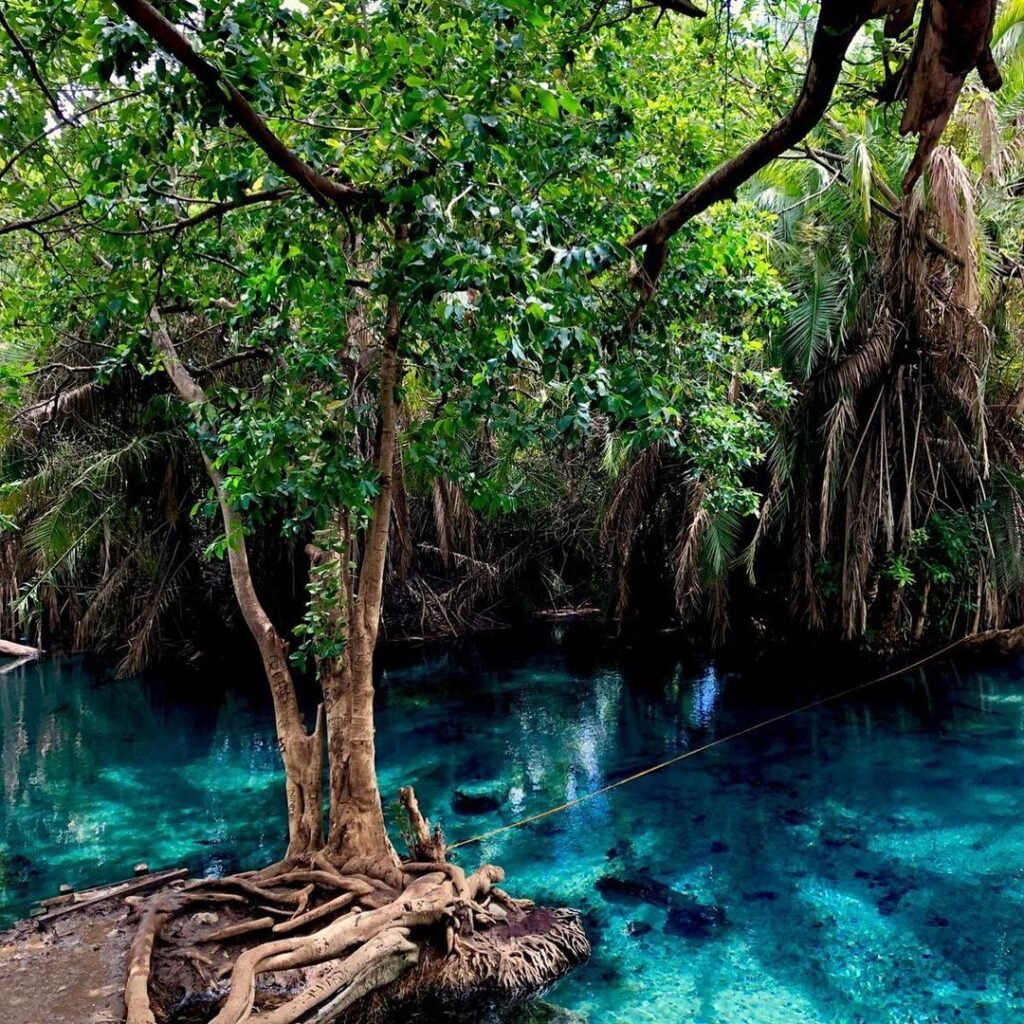
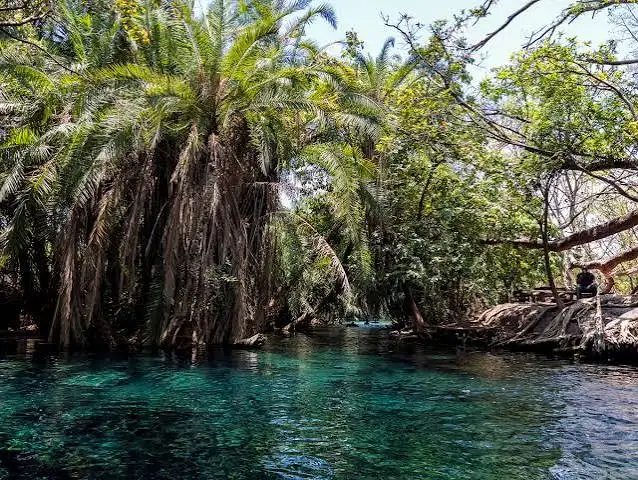
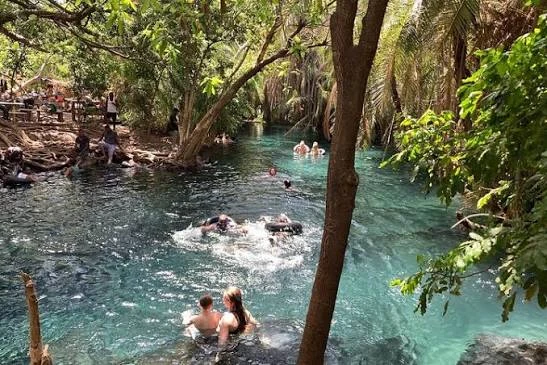
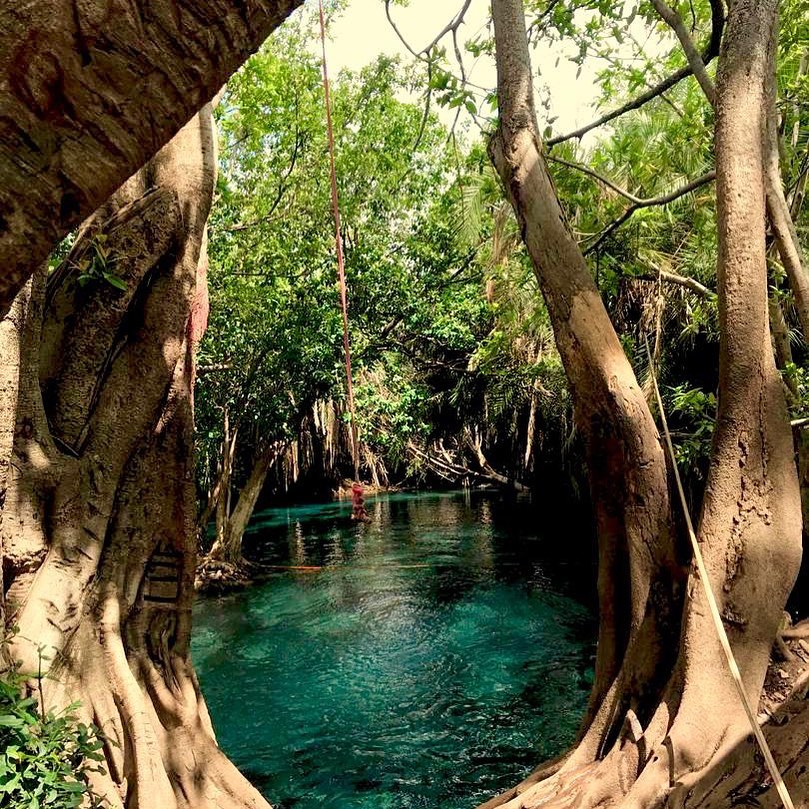
After travelling through the surrounding countryside, you arrive at a spring surrounded by vegetation, with clear blue-green water beneath overhanging trees and exposed roots.
The contrast can be striking.
The area around Kikuletwa has a natural, tropical feel, even though the journey to reach it can pass through much drier-looking countryside.
The main attraction is the pool itself. There is not a long list of separate attractions that you need to rush around seeing.
You swim.
You float.
You relax.
You take photographs.
You might use the rope swing.
And eventually, you get back out and continue your day.
That simplicity is actually one of the reasons people enjoy Kikuletwa.
What Is the Water Like?
The water is clear, warm and comfortable for swimming.
The temperature is generally reported around the high 20s °C, with one current local guide recording approximately 27°C based on on-site observation.
So if you arrive expecting a steaming pool where you sit in hot water, you may be surprised.
Kikuletwa is better thought of as a naturally warm swimming pool than a traditional thermal bath.
That can actually be an advantage.
You can spend a considerable amount of time swimming or floating without the heat becoming uncomfortable.
On a warm Tanzanian day, the water feels refreshing while still being noticeably warmer than a cold mountain stream or waterfall pool.
Is Kikuletwa Hot Springs Really Hot?
No—not in the way the name might make you imagine.
The word “Chemka” is associated with boiling in Swahili, but the name should not make you expect water hot enough to steam.
Kikuletwa is warm rather than scalding.
If your idea of a hot spring is sitting in a naturally heated bath surrounded by steam, this is not quite that experience.
If your idea is getting into beautiful, naturally warm water and spending an afternoon swimming and relaxing, Kikuletwa makes much more sense.
This is an important distinction because the name can create the wrong expectation.
How Clear Is the Water?
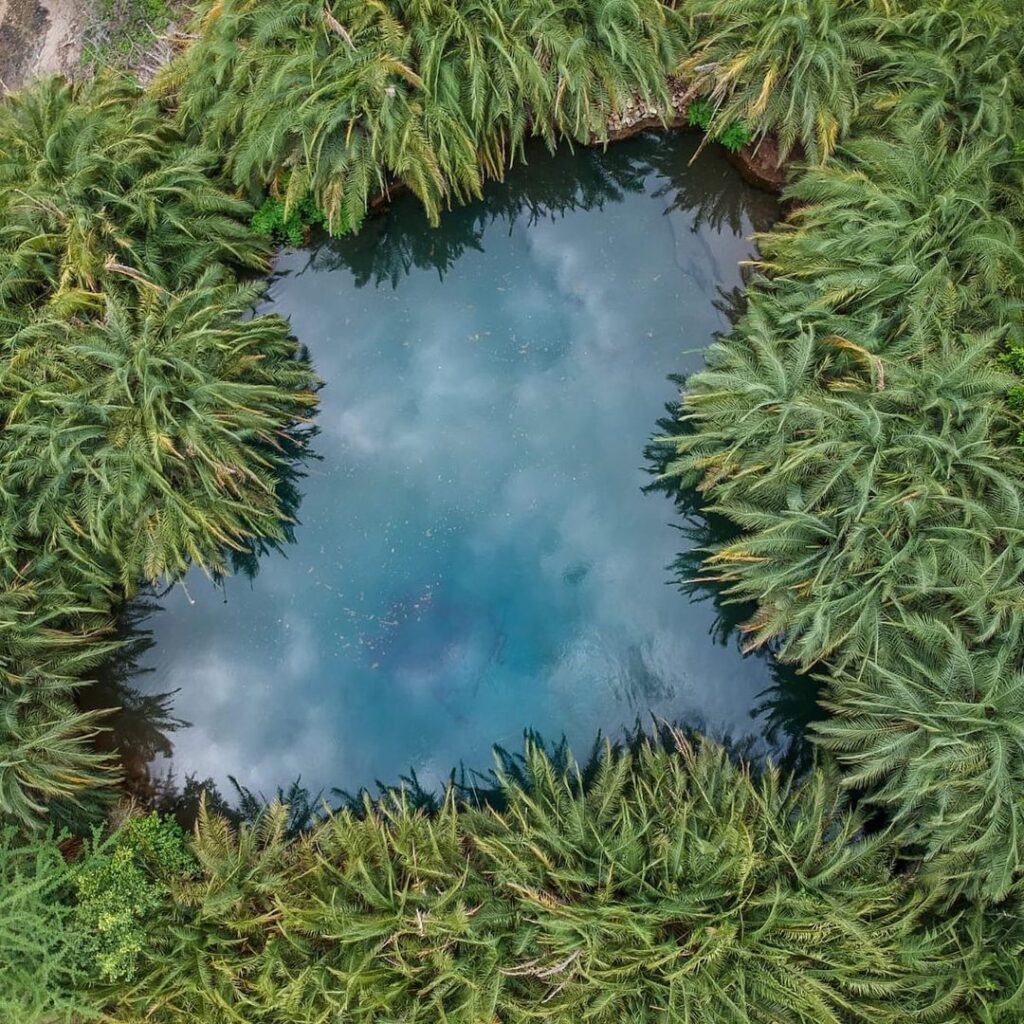
One of Kikuletwa’s most noticeable characteristics is the clarity of the water.
On good days, you can see surprisingly far into the pool, which gives the water its distinctive blue-green appearance.
But there is an important lesson here:
Clear water does not automatically mean shallow water.
Some parts of the spring are several metres deep, with different sources reporting depths of more than 6 metres and, in some descriptions, up to around 6–10 metres.
The depth can therefore be deceptive.
You may be able to see the bottom while still being far too deep to stand.
Treat the deeper sections as proper swimming water, not as a place where everyone can simply walk around.
Can You Swim at Kikuletwa Hot Springs?
Yes.
Swimming is the main reason most people visit.
You can enter the water, swim around the larger pool, float and spend time simply enjoying the surroundings.
Confident swimmers will have more freedom because some sections are deep.
If you are not a confident swimmer, don’t feel that you need to explore the deepest part of the spring.
Stay within water where you are comfortable, use a suitable float if one is available, and follow local guidance.
Children and weaker swimmers should be supervised closely, particularly around deeper sections and the rope swing.
The fact that the water is clear can make it look safer than it actually is.
Do You Have to Swim?
No.
Swimming is the main activity, but you do not have to spend the entire visit in the water.
You can:
- Sit beside the spring
- Relax under the trees
- Take photographs
- Watch other visitors use the rope swing
- Float in the shallower areas where appropriate
- Spend time talking and enjoying the surroundings
- Have lunch or refreshments as arranged for your trip
That makes Kikuletwa suitable for groups where not everyone wants the same experience.
One person can spend most of the afternoon swimming while another prefers to sit in the shade and take photographs.
What Is the Kikuletwa Rope Swing Like?
The rope swing is one of the most recognizable parts of the Kikuletwa experience.
A rope attached to a tree allows visitors to swing out over the water before dropping into the pool.
It can be a lot of fun, especially if you enjoy a little adventure alongside the relaxed atmosphere.
But this is also one of the places where you should use common sense.
The water is deep in some areas, and information about supervision, exact jumping points and changing conditions is not always consistent between visitor sources.
So don’t assume that because somebody else performs a particular jump, you should copy it.
Watch first.
Ask your guide or a local attendant where it is appropriate.
And only jump if you are confident in the water and comfortable with the activity.
You can have a great Kikuletwa experience without ever touching the rope.
Are There Fish in Kikuletwa?
Small fish are commonly reported in the spring.
Some visitors notice them around their feet, particularly when they remain still in the water.
The fish can gently nibble at dead skin, creating a sensation similar to a natural fish-spa experience.
It can feel strange the first time.
Some people find it amusing; others would rather keep moving.
Either way, it is one of the small details that makes swimming in a natural spring different from swimming in a conventional pool.
Is the Water Safe to Drink?
No.
Do not treat the spring as a source of drinking water.
Current visitor information notes that the water contains fluoride and is not used locally as drinking water.
Bring drinking water with you or use the drinking water provided as part of your tour arrangements.
The fact that the water looks exceptionally clean and clear does not mean it should be consumed.
Clear water and drinking water are not the same thing.
What Does the Area Around the Spring Look Like?
Kikuletwa feels natural rather than heavily developed.
Trees and exposed roots surround sections of the water, creating shade and giving the spring much of its character.
The combination of clear water, vegetation and natural surroundings is a big part of what makes the destination photogenic.
You are not walking into a modern resort with carefully landscaped gardens and a large collection of facilities.
The appeal is precisely that the main attraction is the spring itself.
Depending on the day, you may also encounter local vendors and other visitors, giving the area a more social atmosphere than the word “hidden” sometimes used in travel descriptions would suggest.
Is Kikuletwa Quiet or Crowded?
It depends heavily on when you visit.
Kikuletwa is popular with both international travelers and local visitors, so it is not realistic to expect complete solitude every time you arrive.
Weekends and busier periods can feel considerably more lively.
If your priority is a quieter experience, visiting on a weekday and arriving earlier can improve your chances of enjoying a calmer atmosphere.
You can read more about how season, weekdays, weekends and time of day affect your visit in our guide to the best time to visit Kikuletwa Hot Springs.
What Is Swimming at Kikuletwa Like?
The best way to imagine it is not as swimming laps in a pool.
It is slower than that.
You get into naturally warm, clear water surrounded by trees.
You might swim across the pool, float for a while, hold onto the roots at the edge, or simply sit in the water and enjoy the surroundings.
The depth means confident swimmers can properly explore the water, while less confident swimmers can stay closer to the edges or use an appropriate flotation aid where available.
There is no requirement to turn the experience into an adventure.
For many visitors, the most enjoyable part is simply doing very little.
Can You Relax at Kikuletwa Without Swimming?
Absolutely.
In fact, this is one of the reasons the destination works well for couples, families and groups with different interests.
One person may want to spend most of the time swimming.
Someone else may want photographs.
Another person may simply want to sit under a tree and enjoy the surroundings.
Kikuletwa does not require you to complete a list of activities.
The spring itself is the experience.
Is Kikuletwa Good for Families?
It can be, but families should pay particular attention to the depth of the water.
The spring has areas that are much deeper than they initially appear, and the clear water can make judging depth difficult.
Children should therefore be supervised closely, especially around deeper areas and the rope swing.
If your children are confident swimmers, they may enjoy the freedom of the natural pool.
If they are not confident swimmers, plan the visit around staying in areas appropriate for their ability rather than assuming the entire spring is shallow.
Is Kikuletwa Good for Couples?
Yes.
Kikuletwa can work particularly well for couples who want a relaxed day away from the more demanding parts of a Tanzania itinerary.
You can swim together, take photographs, sit beneath the trees, have lunch and simply slow down.
It does not need to be treated as an adrenaline activity.
The relaxed side of Kikuletwa is arguably its biggest strength.
Is Kikuletwa Good After Kilimanjaro?
It can be a pleasant way to spend a slower day after a demanding mountain experience.
Swimming and relaxing in warm water can feel very different from spending several days walking at altitude.
But there is an important distinction:
Kikuletwa is a relaxing outing, not a medical recovery treatment.
If you have significant soreness, injury, exhaustion or another physical problem after your climb, listen to your body rather than assuming a swimming trip is automatically the right choice.
For someone who simply wants a gentle day outdoors after completing a climb, however, the slower pace can be appealing.
See Our Kikuletwa Gallery
What Should You Bring for Swimming?
- Swimsuit or swimming clothes
- Change of dry clothes
- Drinking water
- Sunscreen, Towel, Sunglasses
- Waterproof bag for valuables
- Phone or camera if you want photographs
- Comfortable footwear for the surrounding area
What Should You Expect From the Facilities?
Kikuletwa is a natural destination with basic visitor facilities rather than a full-service resort.
Facilities reported by current visitor sources include basic toilets and changing areas, while local vendors may offer drinks, food or other simple services. However, the exact facilities and availability can change.
For that reason, I recommend arriving prepared.
Bring the essentials you need rather than assuming every convenience will be available on site.
If you require a specific facility—for example, particular accessibility arrangements, secure storage or specialized swimming equipment—ask your tour operator before travelling.
What Should You Not Expect at Kikuletwa?
- A luxury spa
- Steaming geothermal water
- A completely empty swimming pool
- Perfectly developed resort facilities
- A large collection of attractions
- Guaranteed mountain views
- The same atmosphere every day
What Is a Typical Visit Like?
A relaxed Kikuletwa visit might look something like this:
Arrival
You make your way from the vehicle toward the spring and get your first view of the water.
Getting settled
You find a suitable place for your belongings, change if necessary and get comfortable with the surroundings.
Swimming
You enter the water, explore the areas appropriate for your swimming ability and enjoy the temperature.
Relaxing
You get out, dry off, take photographs, sit in the shade or simply spend some time doing nothing.
More swimming
If you enjoy the water, you can go back in.
Lunch and free time
Depending on your tour arrangement, you may have lunch and additional time to relax.
Return journey
Eventually, you leave the spring and make your way back toward Moshi or Arusha.
There is no need to make the day complicated.
That is part of the attraction.
Planning Your Visit
Now that you know what the experience is actually like, the next question is when to go.
Our guide to the best time to visit Kikuletwa Hot Springs explains how seasons, rainfall, road conditions, weekdays, weekends and time of day can affect your visit.
If you are still working out the journey, see our guide to how to get to Kikuletwa Hot Springs from Moshi or Arusha.
And if you already know Kikuletwa is the experience you want, you can see our Kikuletwa Hot Springs Day Trip from Moshi & Arusha
Want someone else to handle the journey?
Or, if you are still planning:
Frequently Asked Questions
No. Despite the name, the water is generally warm rather than extremely hot. Current visitor information places it around 27°C, although reported temperatures vary.
Yes. Swimming is the main activity at Kikuletwa, alongside floating, relaxing and enjoying the natural surroundings.
Depth varies across the spring. Some sources report sections deeper than 6 metres, with descriptions of around 6–10 metres in the deepest areas. Treat the deeper sections as serious swimming water even though the water is very clear.
You do not need to swim to enjoy the destination, but non-swimmers should be especially careful because some sections are deep. Stay in appropriate shallow areas where available and use suitable flotation support if provided.
Children can enjoy the spring, but adults should supervise them closely, particularly around deeper water and the rope swing. The depth of the pool can be deceptive because the water is so clear.