
Best Time to Visit Materuni Waterfalls, Tanzania
June to October and January to February are generally the best periods to visit Materuni Waterfalls for easier hiking conditions. Wetter months can offer a more powerful waterfall, but the trail may become muddy and slippery. Your ideal timing depends on whether you prefer a more comfortable walk or a visit during higher water flow.
Choosing the best time to visit Materuni Waterfalls means balancing walking conditions with the waterfall’s appearance. Drier weather generally makes the hike more comfortable, while rainfall can increase the flow and leave the surrounding landscape especially lush.
For most visitors, the relatively dry periods offer the most practical choice. However, recent rainfall matters as well as the month: trails can remain wet after showers, and conditions can vary from one day to the next.
This guide compares the seasons and explains how weather, trail conditions and waterfall flow can affect your visit, helping you choose a time that suits your plans.
When Is the Best Time to Visit Materuni Waterfalls?
For most visitors, June to October and January to February offer the best balance for a Materuni Waterfalls visit, with generally less rain and easier walking conditions. October can mark the return of the short rains, so conditions may change as the month progresses.
Rainier periods can bring stronger waterfall flow, but also muddier paths and more slippery footing. No month guarantees a dry trail: recent rainfall and your guide’s assessment should help determine the day’s plans.
Choose Your Timing Based on What Matters Most to You
Easier Hiking
- June to September generally offers drier walking conditions. October can also be suitable, although the short rains may begin during the month.
Stronger Waterfall Flow
- Wetter periods and recent rainfall can increase the waterfall’s flow. Expect a tradeoff: the approach may be muddier and more slippery.
Lush Scenery
- Rainy periods can make the surrounding vegetation especially lush. Choose a day with suitable weather and locally checked trail conditions.
Another Drier Window
- January and February are generally relatively dry and offer another good opportunity for the waterfall hike. Rain showers can still occur.
Waterfall Photography
- Choose your timing according to the scene you want: wetter conditions can bring stronger flow, while drier periods generally make reaching the waterfall easier.
A Rainy-Season Visit
- Keep your schedule flexible during March–May and the short rains around October–December. Ask your local guide to assess conditions before starting the hike.
The best timing balances walking comfort with waterfall conditions. Use the seasonal pattern to plan your trip, then check recent weather and local trail conditions before your visit.
Materuni Waterfalls Throughout the Year
Materuni lies on the southern slopes of Mount Kilimanjaro, where rainfall generally follows two main seasons: the long rains from March to May and the short rains around October to December. January and February are usually relatively dry, while June to September forms the main drier period. October can be a transition month.
These seasonal patterns are a planning guide rather than a guarantee. The timing and intensity of rainfall vary from year to year, and showers can occur during the drier months.
At Materuni, rain affects both the waterfall’s flow and the walking conditions. Recent rainfall may increase the cascade, but it can also leave the trail muddy and slippery. Check conditions with your local guide before setting out.
January to February — A Relatively Dry Window
January and February generally fall between the short rains and the long rains in the Kilimanjaro region. They are usually relatively dry, making them a good option for visitors who prefer more comfortable walking conditions.
The trail may be less muddy than during the main rainy periods, but showers can still occur. Shaded sections and areas near the waterfall can remain wet and slippery even on a dry day.
Waterfall flow depends partly on recent rainfall, so these months do not guarantee a particular volume of water. Choose this period mainly for the generally favourable hiking conditions.
Good for
- Visitors seeking generally drier hiking conditions
- Combining the waterfall walk with a Materuni coffee experience
- Travellers planning a visit before the March–May long rains
Keep in mind
- Rain showers are still possible
- Some sections can remain wet and slippery
- Waterfall flow and mountain visibility are not guaranteed
March to May — The Long Rains
March to May is generally the long-rain season in the Kilimanjaro region. Rainfall can increase the waterfall’s flow and make the surrounding vegetation especially lush, but walking conditions may be more challenging.
The trail can become muddy and slippery, and heavy rain may affect the access road or require changes to your plans. A more powerful cascade does not necessarily mean better conditions for approaching the waterfall.
A visit may still be possible when local conditions are suitable. Keep your schedule flexible and ask your local guide to assess the route. If heavy rain makes the walk unsuitable, postpone it rather than keeping to a fixed itinerary.
Good for
- Visitors interested in lush rainy-season scenery
- Travellers hoping for stronger waterfall flow
- Visitors with flexible dates who can wait for suitable conditions
Keep in mind
- Trails can become muddy and slippery
- Heavy rain may affect road access and the day’s schedule
- Stronger waterfall flow is not guaranteed on a particular date
- The hike may need to be postponed if conditions are unsuitable
June to October — Generally Drier Hiking Conditions
June to September generally forms the main drier period in the Kilimanjaro region, making it a practical choice for the Materuni Waterfalls hike. October can also offer good walking conditions, although the short rains may begin during the month.
With less rainfall, the approach is generally less muddy than during the long rains. However, shaded paths and rocks near the waterfall can remain slippery, and occasional showers are still possible.
Choose this period mainly for walking comfort. Waterfall flow varies with recent rainfall and may be lower than during wetter periods, so a dry-season visit does not guarantee the most powerful cascade.
Good for
- Visitors who prefer generally drier walking conditions
- Combining the waterfall hike with a Materuni coffee experience
- Adding a Materuni day trip to a wider northern Tanzania itinerary
Keep in mind
- Showers can occur even during the drier months
- The short rains may begin during October
- Shaded paths and waterfall rocks can remain slippery
- Waterfall flow and clear mountain views are not guaranteed
November to December — Short Rains
November and December generally fall within the short-rain season in the Kilimanjaro region, which can begin in October. The timing and intensity vary from year to year, so these months should not be treated as reliably dry.
Rain can refresh the surrounding vegetation and increase waterfall flow. However, the trail may become muddy and slippery, and heavier downpours can affect the access road or interrupt the walk.
A visit can still be worthwhile when local conditions are suitable. Keep your plans flexible and check recent rainfall and trail conditions with your guide before setting out. The term “short rains” describes the seasonal period; it does not guarantee that every shower will be brief or light.
Good for
- Visitors interested in lush green surroundings
- Travellers hoping for increased waterfall flow after rain
- Visitors with flexible schedules who can adjust to the weather
Keep in mind
- Rainfall timing and intensity vary from year to year
- Trails can become muddy and slippery
- Heavy rain may affect road access and the day’s plans
- The hike may need to be postponed if conditions are unsuitable
Is Materuni Waterfalls Better in the Dry or Rainy Season?
For most visitors, the drier periods are the better choice because they generally offer more comfortable hiking conditions. Choose June to September or January to February if easier walking is your main priority. October can also be suitable, depending on when the short rains begin.
Rainier periods can offer a more powerful waterfall and especially lush surroundings. The tradeoff is wetter footing: paths may become muddy and slippery, and heavy rain can affect access.
If your main interest is photographing stronger waterfall flow, a visit during or after rainfall may appeal to you. However, recent weather matters more than a calendar label, and stronger flow does not guarantee suitable conditions for approaching the falls.
You do not necessarily need to rule out a rainy-season visit. Keep your dates flexible and let your local guide assess the route. Postpone the hike if conditions are unsuitable.
Choose drier months for walking comfort, and consider wetter periods for the possibility of stronger flow—always subject to conditions on the day.
What Day of the Week Is Best for Materuni Waterfalls?
There is no single weekday that guarantees the best Materuni Waterfalls experience. For the hike, recent rainfall and trail conditions matter more than whether you visit on a Tuesday or a Saturday.
If a quieter visit is important to you, ask your local guide about expected groups on your preferred date. Visitor numbers can vary, so choosing a weekday alone does not guarantee an uncrowded waterfall.
A weekend visit can still fit your plans. Choose a day that allows enough time for the walk and any coffee experience you want to include, while keeping some flexibility for changing weather.
Our simple advice
Flexible dates? Choose a day with suitable weather and locally checked trail conditions.
Prefer fewer visitors? Ask your guide about expected groups and plan your arrival accordingly.
What Time of Day Is Best to Visit Materuni Waterfalls?
A morning start is a practical choice for a Materuni Waterfalls visit. It gives you more daylight for the walk, time to enjoy the waterfall without rushing, and room to include a coffee experience or lunch.
Arrange your departure with your guide according to your starting point, the day’s weather and your planned activities. If you are travelling from Arusha, allow more travel time than you would from Moshi.
Starting earlier also leaves more flexibility if the journey or hike takes longer than expected. However, morning does not guarantee dry weather, fewer visitors or clear views of Mount Kilimanjaro.
An afternoon visit can still work if conditions are suitable and there is enough daylight to complete the return walk comfortably. Avoid starting so late that you have to rush along the trail.
The best approach is to agree on a start time with your guide and allow enough time for both the outward and return journey.
Can You Visit Materuni Waterfalls During the Rainy Season?
A rainy-season visit can be worthwhile when the access road and walking trail are suitable. Rain can bring lush surroundings and stronger waterfall flow, but it also makes checking local conditions more important.
A forecast showing showers does not automatically mean the visit must be cancelled. Discuss the timing with your guide, considering recent rainfall as well as the forecast for the day.
After heavy rain, the trail may be muddy and slippery, and road access may be affected. Even when rain has stopped, the route can remain wet.
If conditions are unsuitable, delay or postpone the waterfall hike. A coffee experience may be an alternative if village access is suitable and your host can accommodate the change.
Do not treat stronger waterfall flow as an invitation to swim or move closer to the cascade. Follow your guide’s advice about where to stand and which areas to avoid.
How Does Waterfall Flow Change with the Seasons?
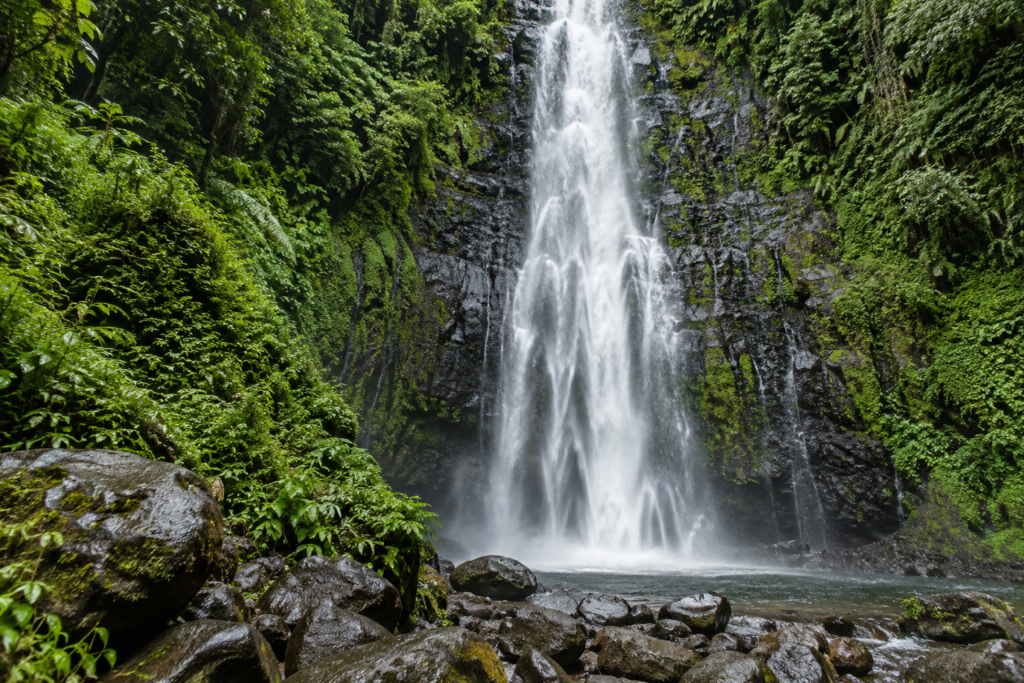
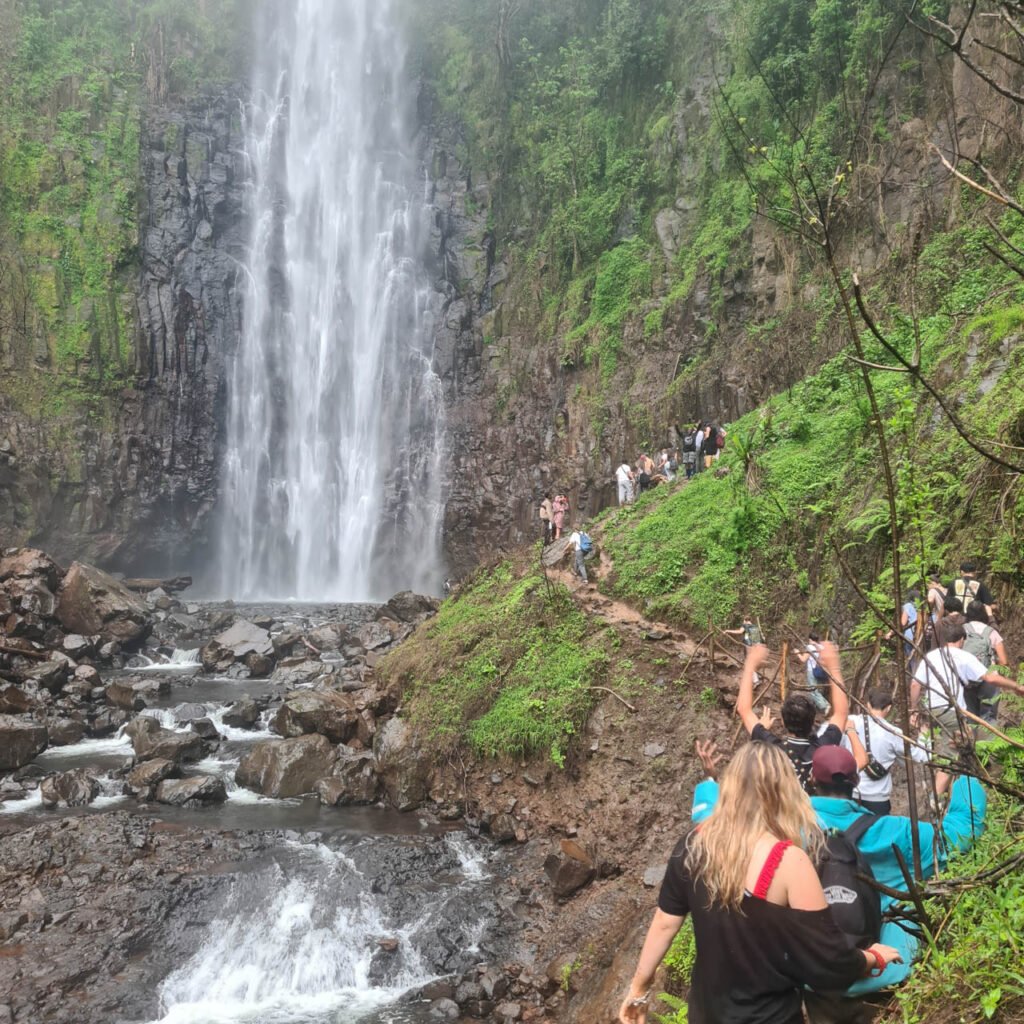
Rainfall can affect the volume of water passing over Materuni Waterfalls. During or after wetter periods, the cascade may be stronger, while extended dry weather can reduce its flow.
The month alone cannot tell you exactly how the waterfall will look. Recent rainfall also matters, and photographs taken on another date may show different conditions.
Plan around your priorities: generally drier weather for easier walking, or wetter periods for the possibility of stronger flow. Ask your guide about current conditions before your visit.
How Can You Plan a Quieter Materuni Visit?
There is no month or weekday that guarantees you will have the waterfall to yourself. Visitor numbers depend on the groups arriving that day as well as the wider travel season.
If a quieter experience matters to you, ask your guide about expected groups and whether your arrival time can be adjusted.
Allow enough time to enjoy the waterfall without rushing. An earlier start gives you more flexibility, but it does not guarantee fewer visitors.
Best Time to Visit Materuni for Couples
For couples who prefer a comfortable walk, the generally drier periods of June–September and January–February are practical choices. October can also be suitable, depending on the return of the short rains.
Plan an unhurried day with time for the waterfall and, if you wish, a coffee experience. Discuss your preferred pace and any interest in a private tour when arranging the visit.
If privacy is important, ask about expected groups. A particular month or weekday cannot guarantee a secluded experience.
Best Time to Visit Materuni for Families
Families may find the generally drier periods more manageable because the trail is often less muddy. June–September and January–February are useful starting points when choosing dates.
Before booking, discuss your children’s ages, walking ability and any mobility needs with the operator. Confirm whether the route and expected conditions suit everyone in your group.
Allow extra time for breaks and the return walk. Children need close adult supervision on slippery sections and near the water.
After heavy rain, ask your guide to reassess the route and postpone the hike if conditions are unsuitable.
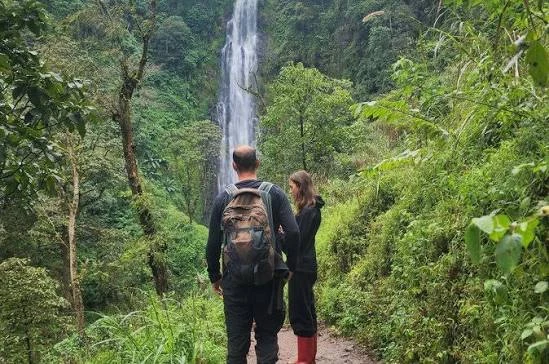
See Our Materuni Waterfalls Gallery
Should You Visit Materuni Before or After a Kilimanjaro Climb?
Materuni can fit into your itinerary before or after a Kilimanjaro climb, but the waterfall visit involves a walk along uneven paths. Allow time for the return hike, and consider your energy levels as well as the weather.
Before your climb, choose a day that leaves enough time for your mountain briefing, equipment checks and rest. The waterfall walk is an optional excursion, not a substitute for acclimatisation.
After your climb, decide according to how you feel. If you are tired or your legs are sore, a rest day may be more comfortable than another hike. Avoid committing to a waterfall walk immediately after descending.
The generally drier periods can make walking conditions more manageable, but recent rainfall still matters. Ask your guide about the trail before confirming the excursion.
Choose the timing that fits your climbing schedule and allows you to enjoy Materuni without rushing or sacrificing needed rest.
Our Practical Advice
For most visitors, the best approach is to choose a generally drier period, then confirm local conditions close to the visit.
June to September and January to February are practical choices for easier walking. October can also be suitable, although the short rains may begin during the month.
If you are already visiting Moshi or Arusha during a rainy period, ask your guide whether the road and trail are suitable. Keep your schedule flexible rather than assuming the waterfall hike will always be possible.
Arrange a morning start where practical, allowing enough time for travel, the return walk and any coffee experience you want to include.
For a quieter visit, ask about expected groups instead of relying on a particular weekday.
If stronger waterfall flow is your priority, wetter periods may appeal to you—but comfortable access and suitable conditions should still guide your decision.
Choose your season for the experience you want, then use recent weather and local advice to decide when to walk.
Explore More Materuni Travel Guides
Now that you know when to visit, explore how to get there, what the waterfall experience is like, and how coffee and Chagga culture can fit into your day.
Frequently Asked Questions
June to September and January to February generally offer drier conditions for the waterfall hike. October can also be suitable, although the short rains may begin during the month. These are seasonal guidelines: recent rainfall can affect the trail at any time of year.
Yes, when local road and trail conditions are suitable. Rain can bring lush scenery and stronger waterfall flow, but paths may become muddy and slippery. Keep your plans flexible and ask your guide to assess conditions, particularly after heavy rain.
The waterfall may have stronger flow during or after wetter periods, including the March–May long rains and the short rains around October–December. Recent rainfall matters, so no particular month or date guarantees the strongest cascade.
A morning start is practical because it leaves more daylight for travel, the return hike and any coffee experience. An afternoon visit can also work if conditions are suitable and there is enough time to return comfortably before dark. Agree on the start time with your guide.
No. Showers can occur during the generally drier months, and shaded sections or areas near the waterfall can remain wet and slippery. Check recent weather and local trail conditions rather than assuming that a dry-season visit means dry footing throughout.